Redevelopment Opportunity – Waterfront Tent and Trailer Park For Sale

Price: $2,950,000
Size: 162.7 acres
Revenue: $100,000
Cash Flow: $35,000



Price: $2,950,000
Size: 162.7 acres
Revenue: $100,000
Cash Flow: $35,000

Asking Price: Upon Request Revenue: $4,200,000 Cash Flow: $854,000 Employees: 8 Relocatable: Yes This online advertising firm, which employs a unique business model combined with a virtual organizational structure, has established itself as a market leader in the online advertising…

Marketing a business for sale is arguably the most important part of the sale process; if the business is not made visible to prospective buyers in an effective manner, the business will never sell. While analyzing a business, determining a fair market value, and understanding the industry it operates within are extremely important, it is the marketing strategy that ties all of this together and presents it as an ideal investment opportunity for a prospective buyer.
There are several parts of a successful marketing strategy, and it is important to understand the role of each, and how to tie them together to sell the business as fast as possible.

One of the questions that we are asked in our work as business intermediaries in Toronto, Canada is “why should I use a business broker to sell my business?” The answer to this is simple: a business broker will be able to sell your business faster, with less disruptions to operations, and for a better price than would be possible if it were to be sold by the owner. This is because brokers are in the business of selling businesses, meaning that they are experts at facilitating the transaction between the buyer and seller. To understand how a broker can sell a business faster, and for a better price, it is first important to understand what exactly a broker does.

Buying a business can take time, energy, and some detective work. It is important that you do your homework to ensure that you buy the right type of business and that you pay a fair price for it.
Once the acquisition target is identified entrepreneurs often report that getting financing is one of the most challenging aspects of acquiring and growing a business. If you are looking for money for your business, you should start by learning about the different types of financing that are available and assessing which one is best for your needs. You can also reduce your need for loans by preparing and managing your financial situation in the months leading up to your acquisition.

We are pleased to announce the sale of this Mississauga-based Plastic Forming and Manufacturing Company, exclusively brokered and facilitated by Beacon.

Many business owners believe the act of selling their business is similar to passing the baton in a 400 metre relay: once you’re finished running, you get to relax. In reality, buyers will insist that you stay on for a transition period – anywhere from six months to a few years – during which time you continue to work in your business to help the buyer capitalise on the investment they’re making.

“How much is my company worth?” is a question that many business owners would like the answer to, and rightfully so, because the value of a business is one of the key factors that determines your business’ selling price. The most common methods to value a small to medium-sized business are the income approach, market and asset approach, and discounted cash flow (DCF). If the explanations detailed below are overly technical and if there are some terms used that you do not fully understand, check out the blog from last week “Key Financial and Accounting Terms Explained”.
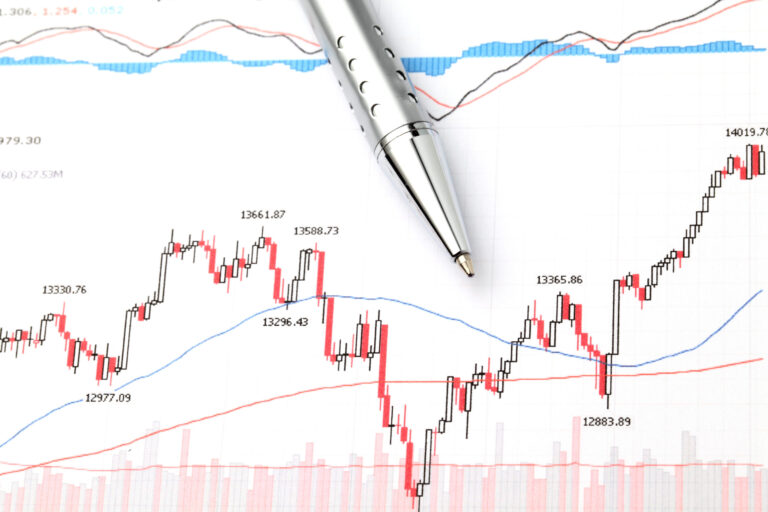
It seems like we’re at a fork in the road: there are some positive signs that the economy is entering the earliest stages of a long term expansion, but at the same time, if we dare read the headlines, it seems we’re destined to repeat 2008.